
CZ-30digicam
Five megapixels of 2004.
- Reference
- 2004-era 5MP CCD compact digicam
- Format
- 4:3 CCD-native default · 3:2 toggle
- Modes
- Photo · Video
- Video
- 15fps · 30s max clip
- Flash
- preflash-burst
- Pricing
- Paid in-app unlock
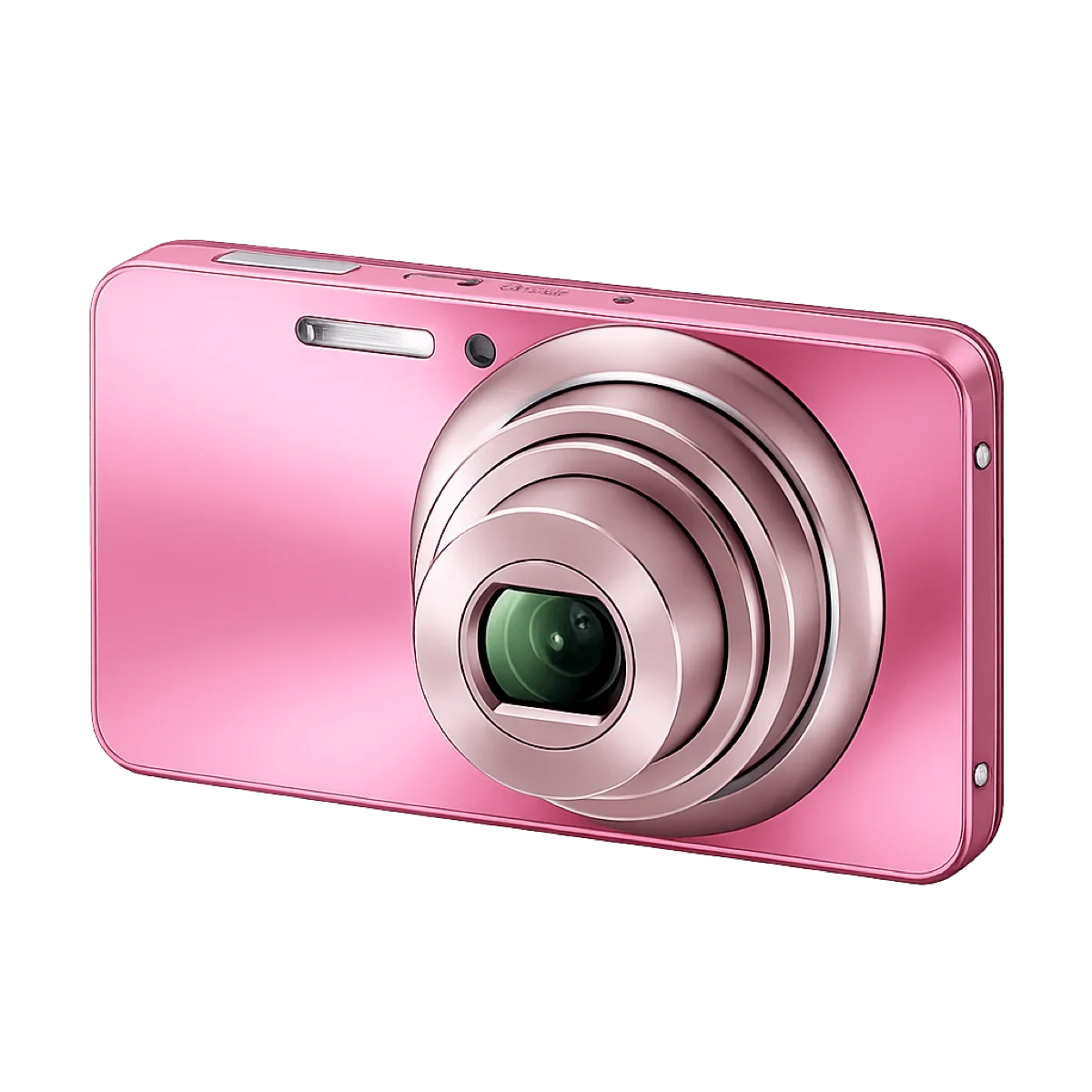
What it simulates
- Purple fringing (0.6)
- Oversharpen halos (0.55)
- Authentic JPEG blocking (0.32)
- Flash-falloff vignette (0.18)
- Harsh CCD highlight clip (knee 0.88) — digicams didn't roll off
- No shadow lift (gamma 0.95) — digicams didn't
- Bimodal LUT: warm/punchy ambient grade + cool pale flash grade — flash LUT applied only when the burst fired
- Digicam OSD chrome
How it behaves at capture
- Both photo and video
- Video: 15fps (period-accurate 2004 QuickTime cadence), 30-second cap
- Preflash-burst flash — metering pre-flash + main
- 4:3 CCD-native default framing, 3:2 toggle
- Live preview shows the ambient grade only — the flash look 'only exists in the captured photo, exactly like the era's LCDs'
What CZ-30 is
CZ-30 is what you shot family photos on in 2004. A 5MP CCD compact digicam with a small sensor, aggressive in-camera sharpening, a JPEG encoder that struggled with fine detail, and a flash that turned everything three feet away into a completely different colour space than everything six feet away.
The bimodal LUT
Real 2004 CCD digicams rendered ambient and flash scenes differently — different colour balance, different sharpening, different response to highlights. CZ-30 ships two LUTs to match:
- Ambient — warm, punchy, saturated. Applied to every capture.
- Flash — cool, pale, crisp. Applied only to shots where the burst actually fired.
The live preview always shows the ambient grade, because the era's LCDs also did. You didn't know what your flash shots would look like until you got them home and put them on the computer.
Digicam quirks, on purpose
- No shadow lift (gamma 0.95) — digicams didn't. Shadows crushed.
- Harsh highlight clip (knee 0.88) — digicams also didn't roll off. Highlights blew.
- JPEG blocking around edges — the encoder was budget.
- Purple fringing on high-contrast edges — the CCD did that.
- Oversharpen halos — every 2004 digicam applied more in-camera sharpening than it should have.
All four are dialed to feel restrained, not comic-book. CZ-30 aims for "faithful 2004," not "obviously fake old-camera filter."
How to shoot with CZ-30
- 4:3 framing is CCD-native — that's how the sensor read out.
- Use the flash for the bimodal grade. Ambient shots keep the warm/punchy character; flash shots pick up the cool/pale character.
- Video mode runs 15fps at 30-second cap — perfect for a two-minute event clip, not for a whole party.
See also SPECTRA-16 (late-90s Y2K digicam with EFFECT dial), G8X MIII (modern compact), and the Camera Simulation vs Filters guide for the full argument.
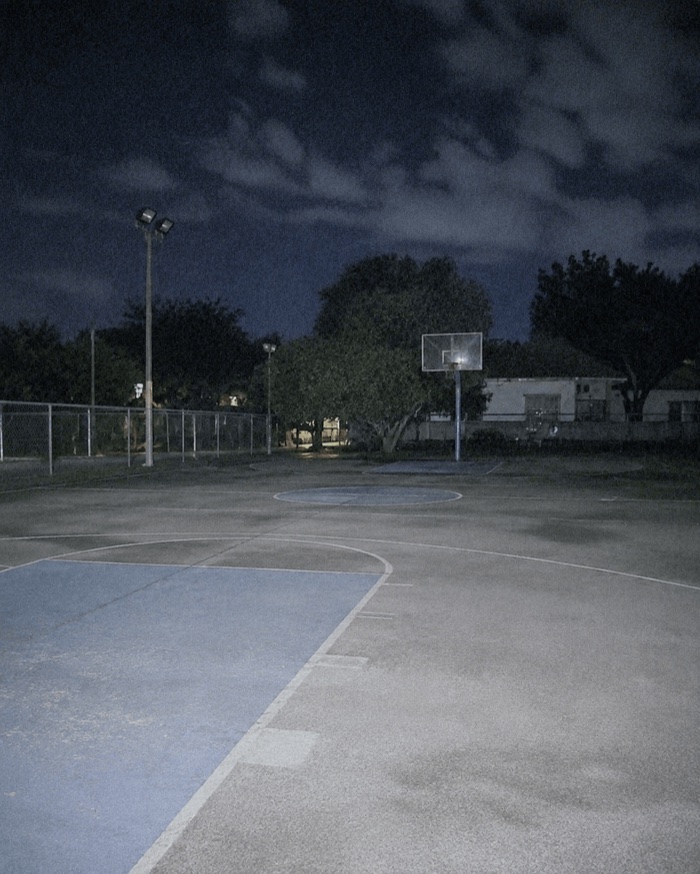
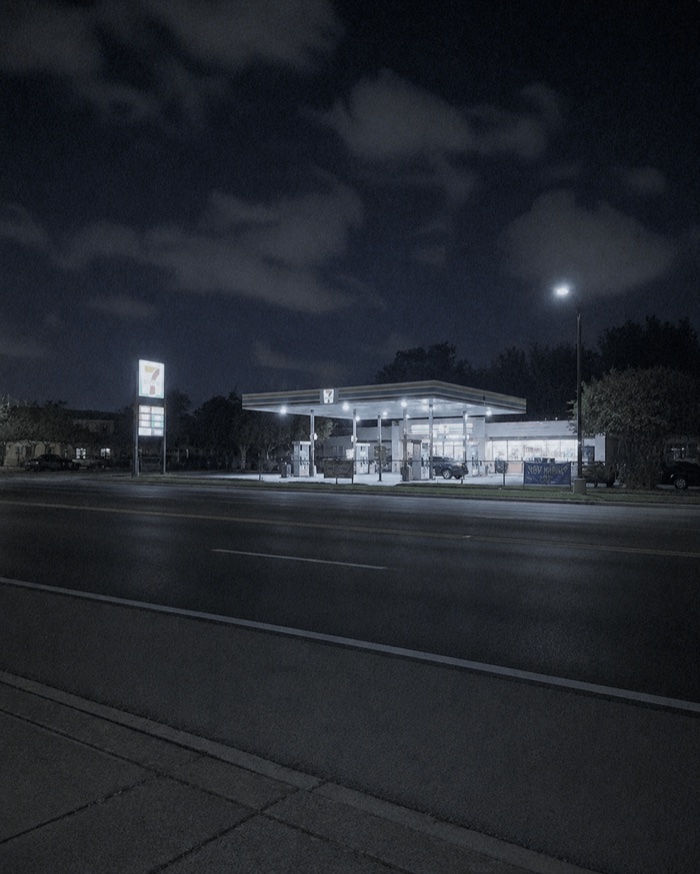
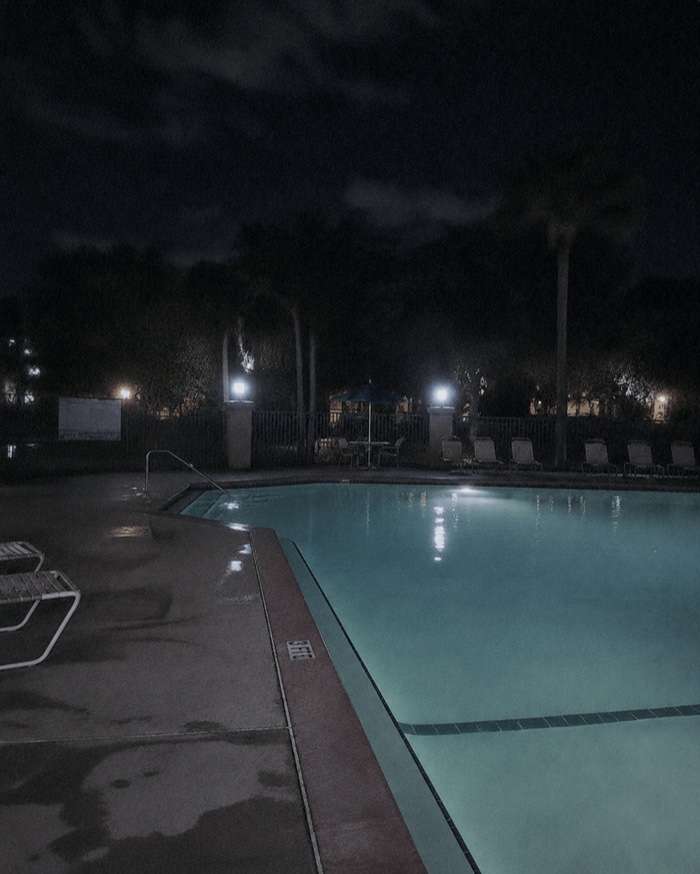
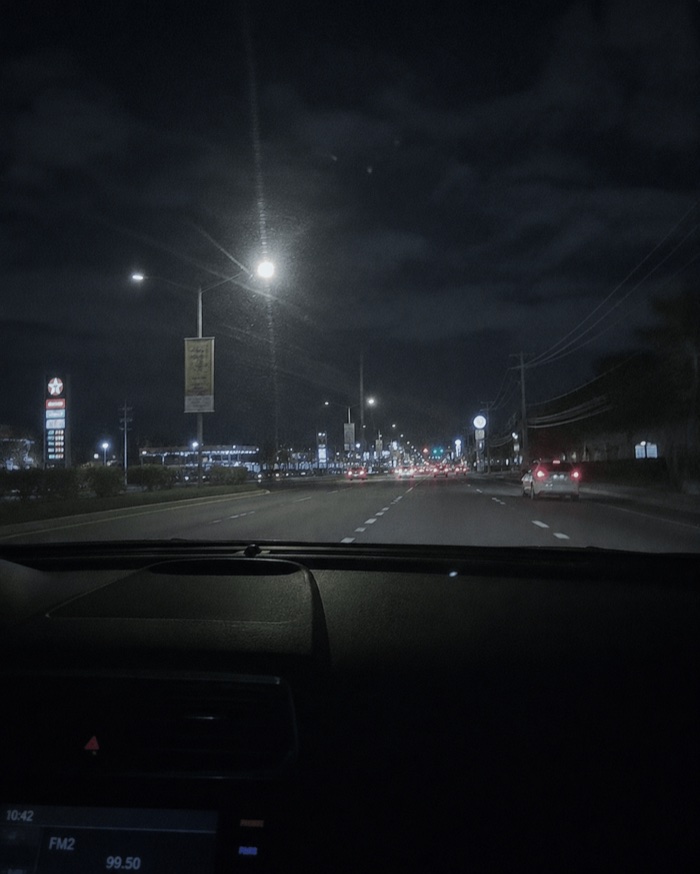
Samples
Frequently asked questions
Why does CZ-30 look so different on flash shots vs. ambient shots?
Because real 2004 CCD digicams did too. CZ-30 ships two LUTs — an ambient warm/punchy grade and a cool pale flash grade. The flash LUT is applied only to captures where the burst actually fired. The live preview always shows the ambient grade because the era's LCDs also did. The internal comment is blunt: "the flash look only exists in the captured photo, exactly like the era's LCDs."
Why is the video only 15fps?
Because 2004 CCD digicams shot video at 15fps in QuickTime format. Not 24, not 30. CZ-30 preserves the actual cadence — the jerky motion is period-correct, not a bug.
Is CZ-30 free?
No. CZ-30 is a paid in-app unlock.
How is CZ-30 different from SPECTRA-16?
Era and personality. CZ-30 is a 2004-era compact digicam with subtle character — the JPEG artifacts and fringing are there but restrained. SPECTRA-16 is a late-90s Y2K digicam with a full 20-mode effect dial (NEG, SOLAR, INFRA, ACID). CZ-30 is quieter; SPECTRA-16 is loud.
Published by Afterhours Camera. Reviewed . Corrections and questions: bricksandcanvas@gmail.com.