
Twenty cameras. Each one a simulation, not a filter.
The full shelf. Twelve on the AFTERHOURS shelf (camcorders, disposables, instant, digicams, Super 8, CRT playback, computational glass) and eight on the FILM shelf (b&w, warm negative, natural colour, muted, vivid, tungsten night, daylight negative, and a rotating daily). Each behaves like the hardware it's named after.
AFTERHOURS
Vintage capture cameras — the tape decks, camcorders, disposables, digicams, Polaroid, Super 8, CRT monitor, and one computational lens.
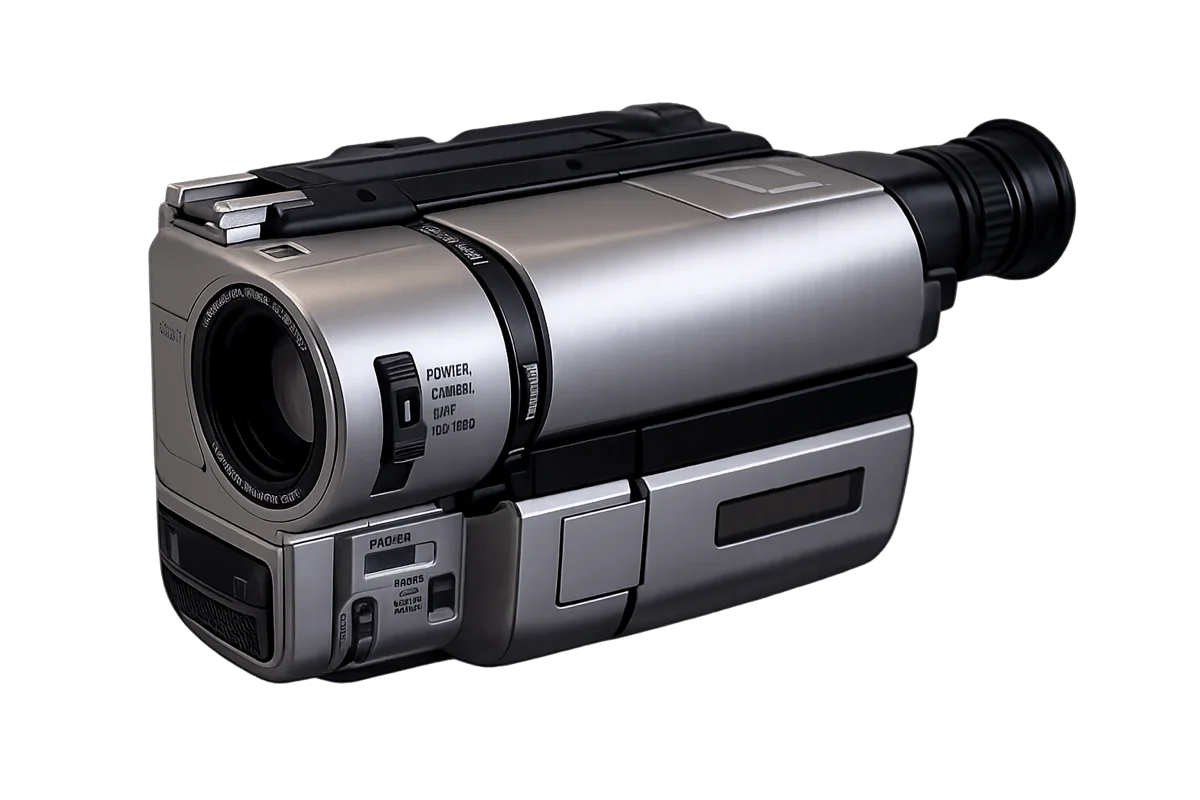
The NightShot camera.
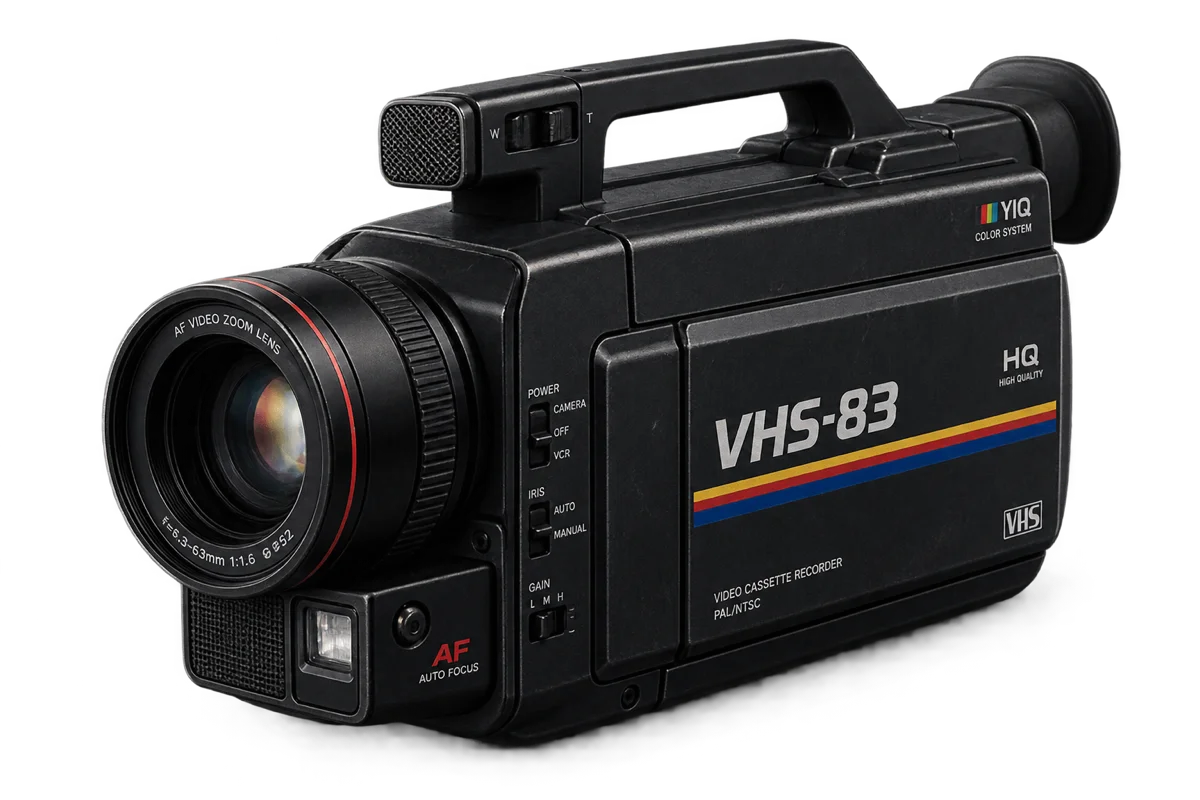
Analog tape, 1993.
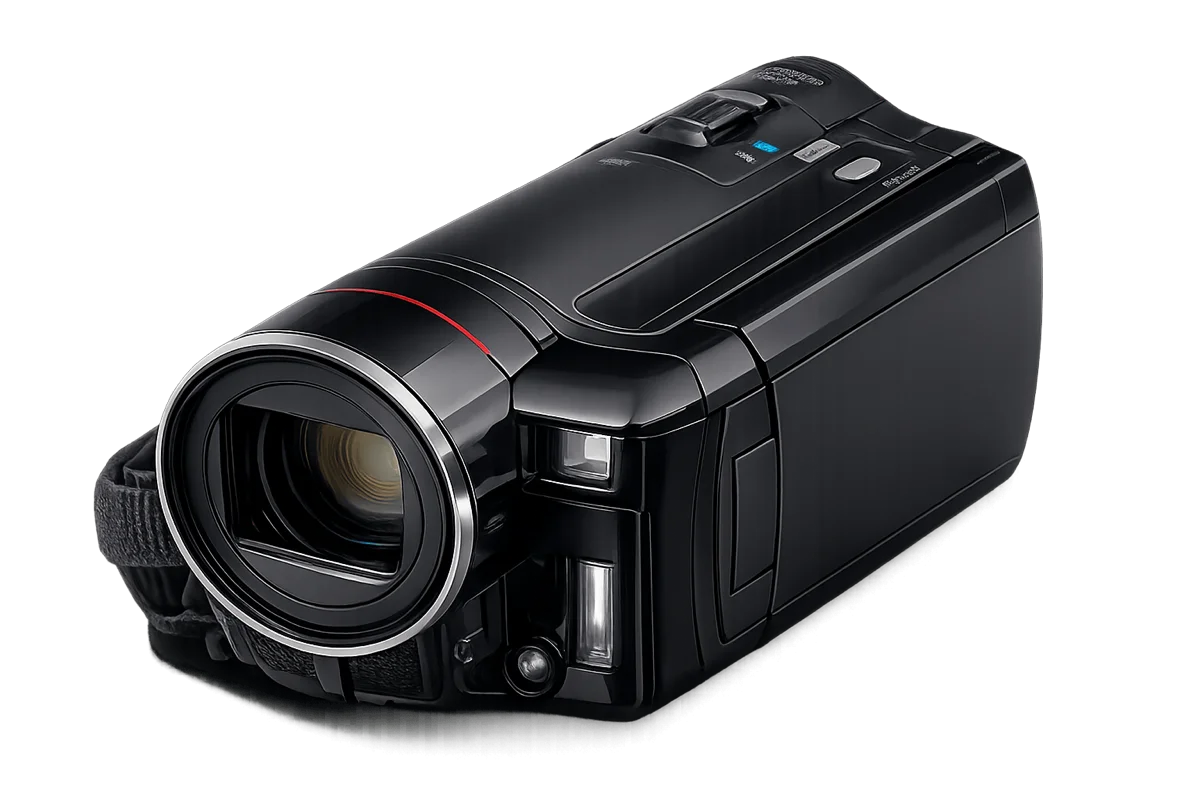
Digital tape, 2005.
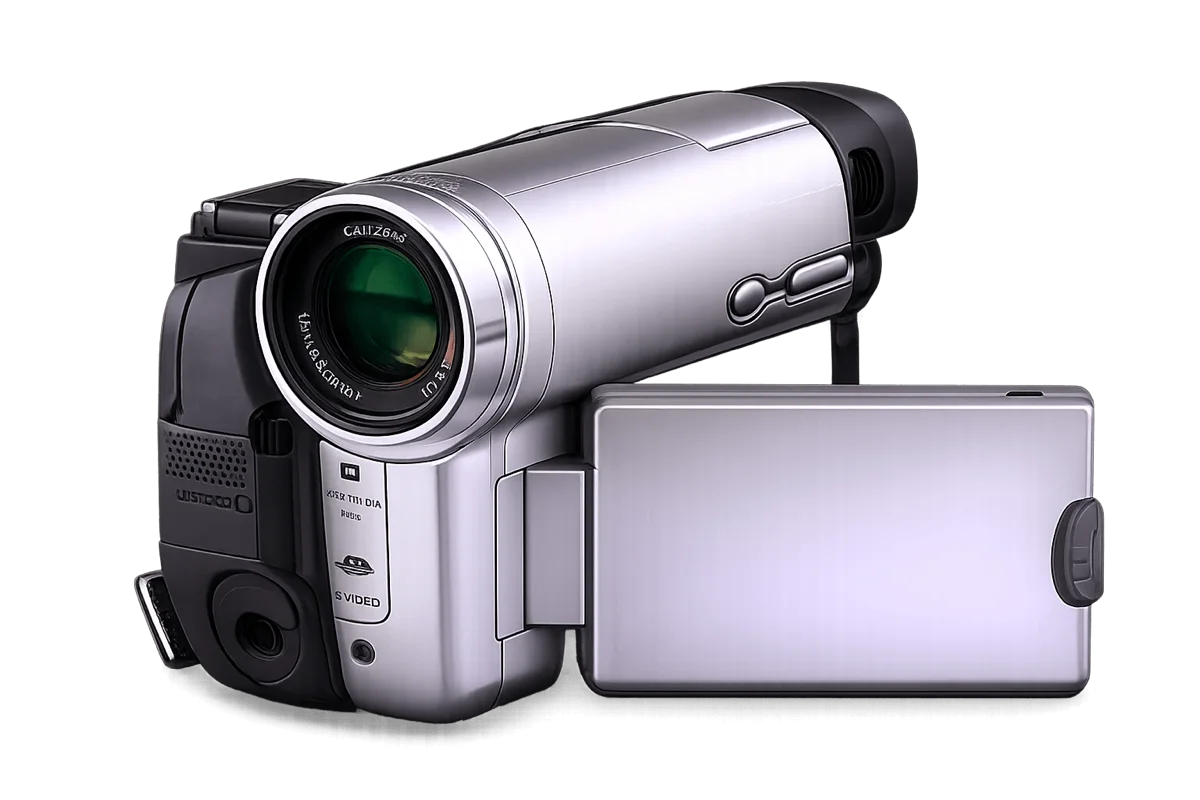
The party cam.
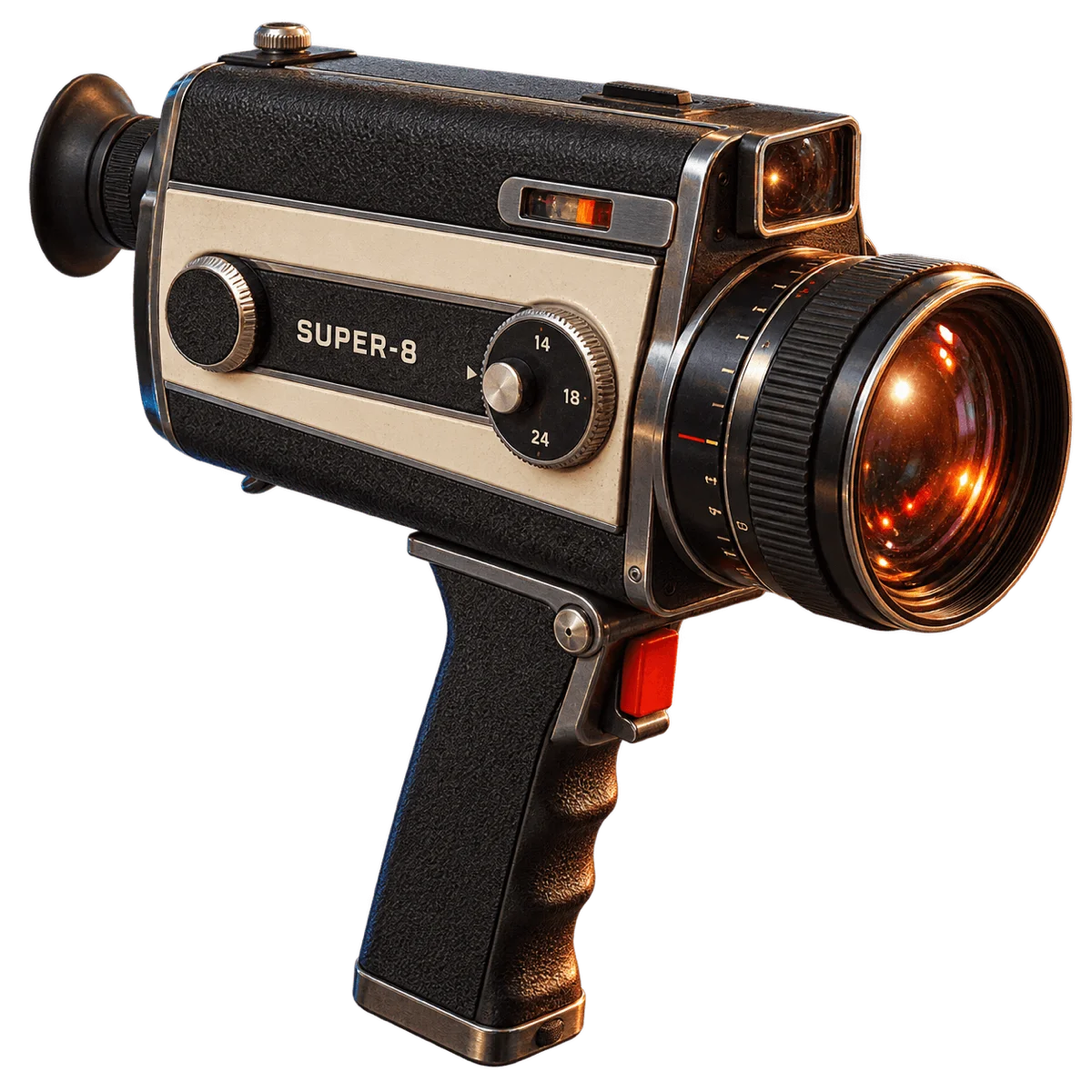
Home movies, on film.
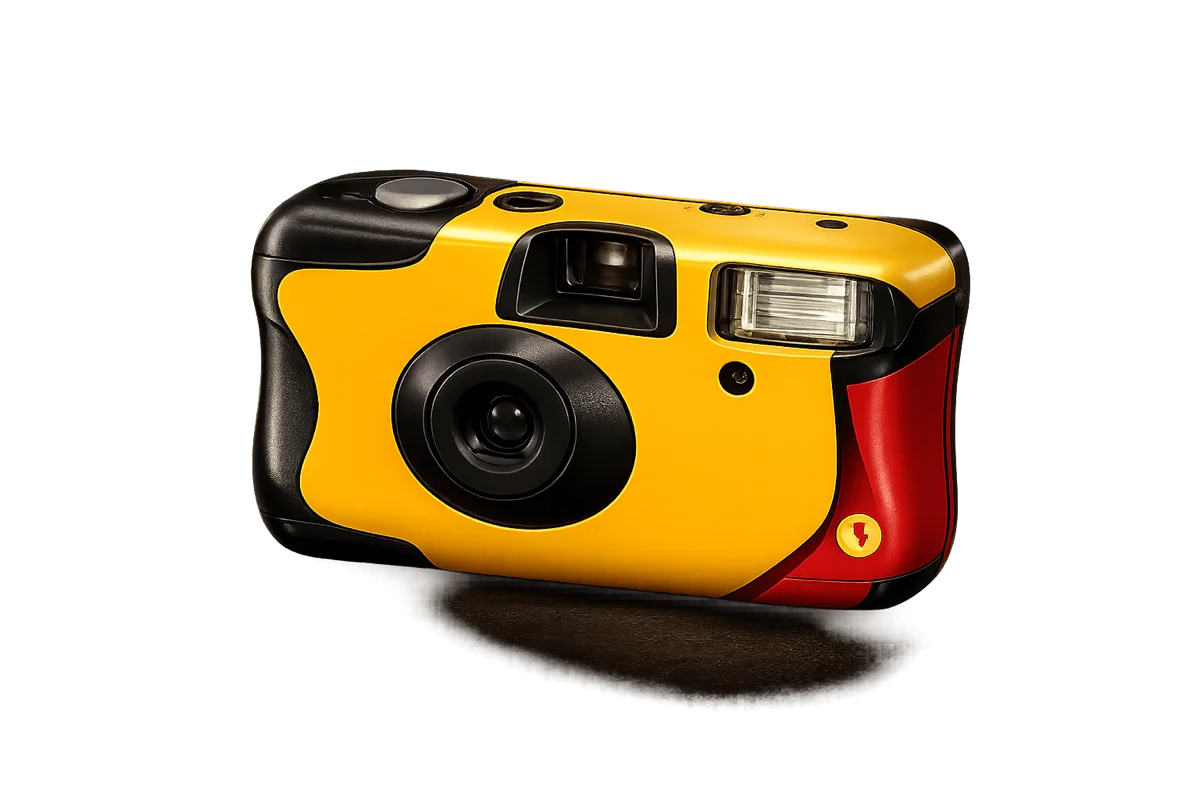
Twenty-seven shots. Then you develop.
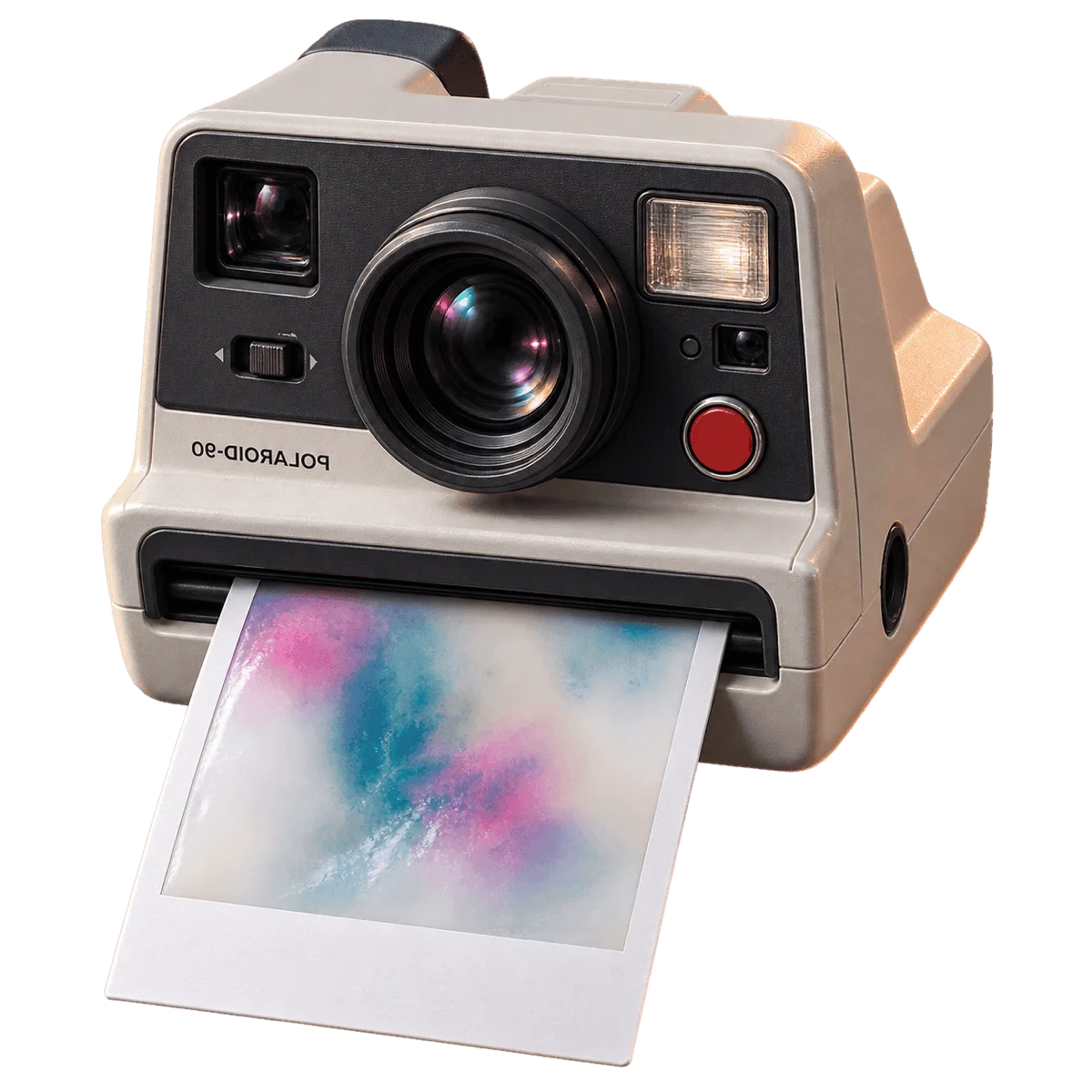
Capture. Wait. Develop.
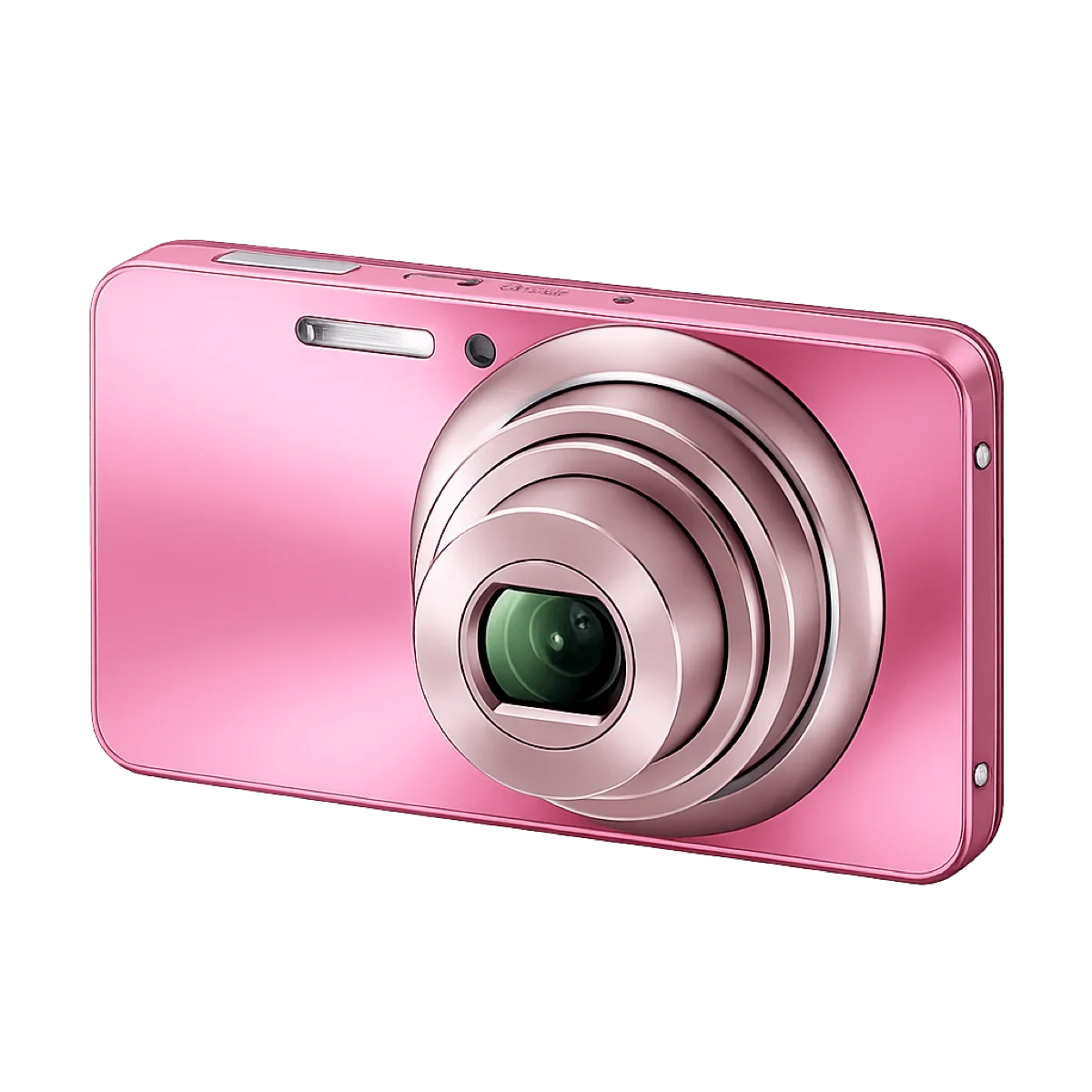
Five megapixels of 2004.
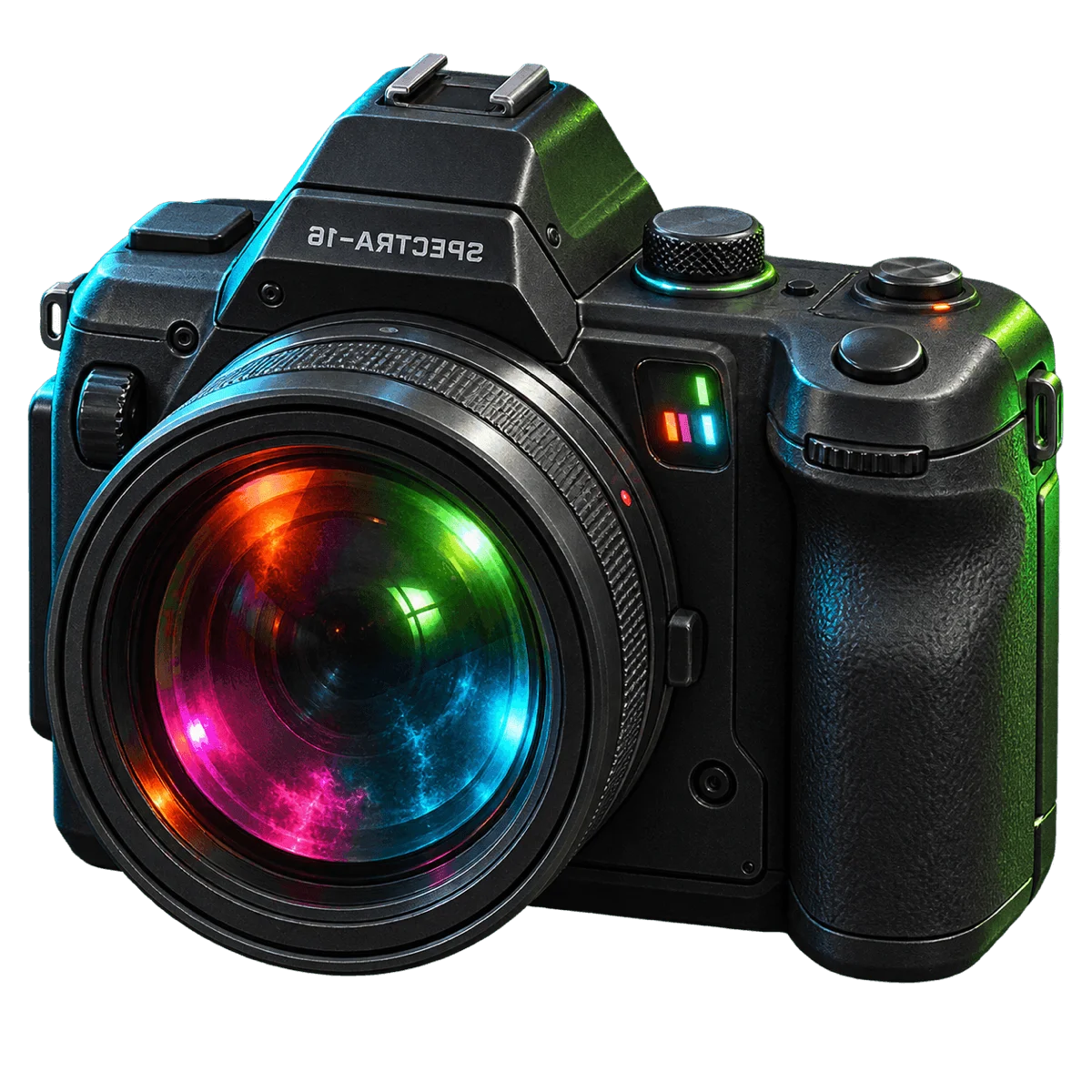
Nineteen ways to shoot the same room.
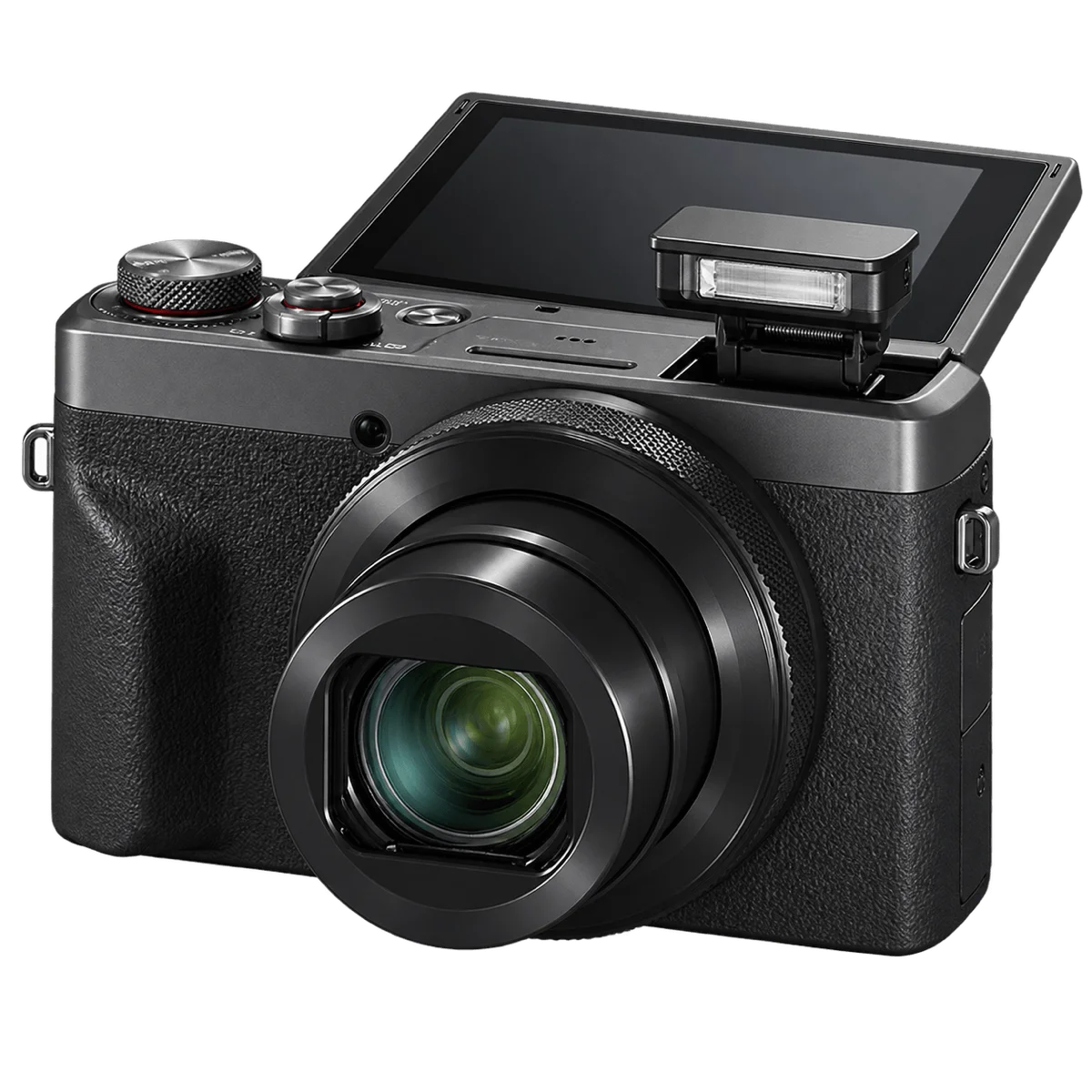
The camera with dual-exposure slow-sync.
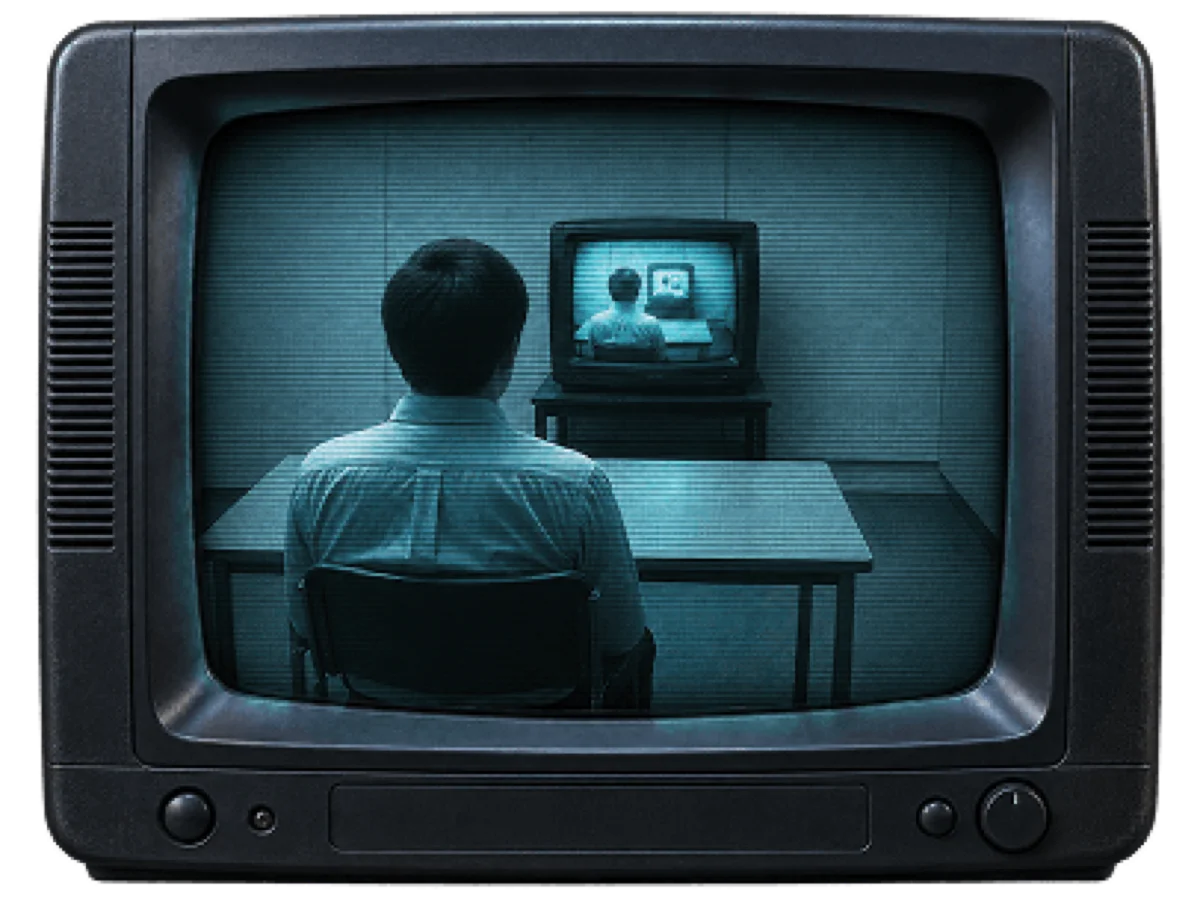
Footage as it looked on the monitor.
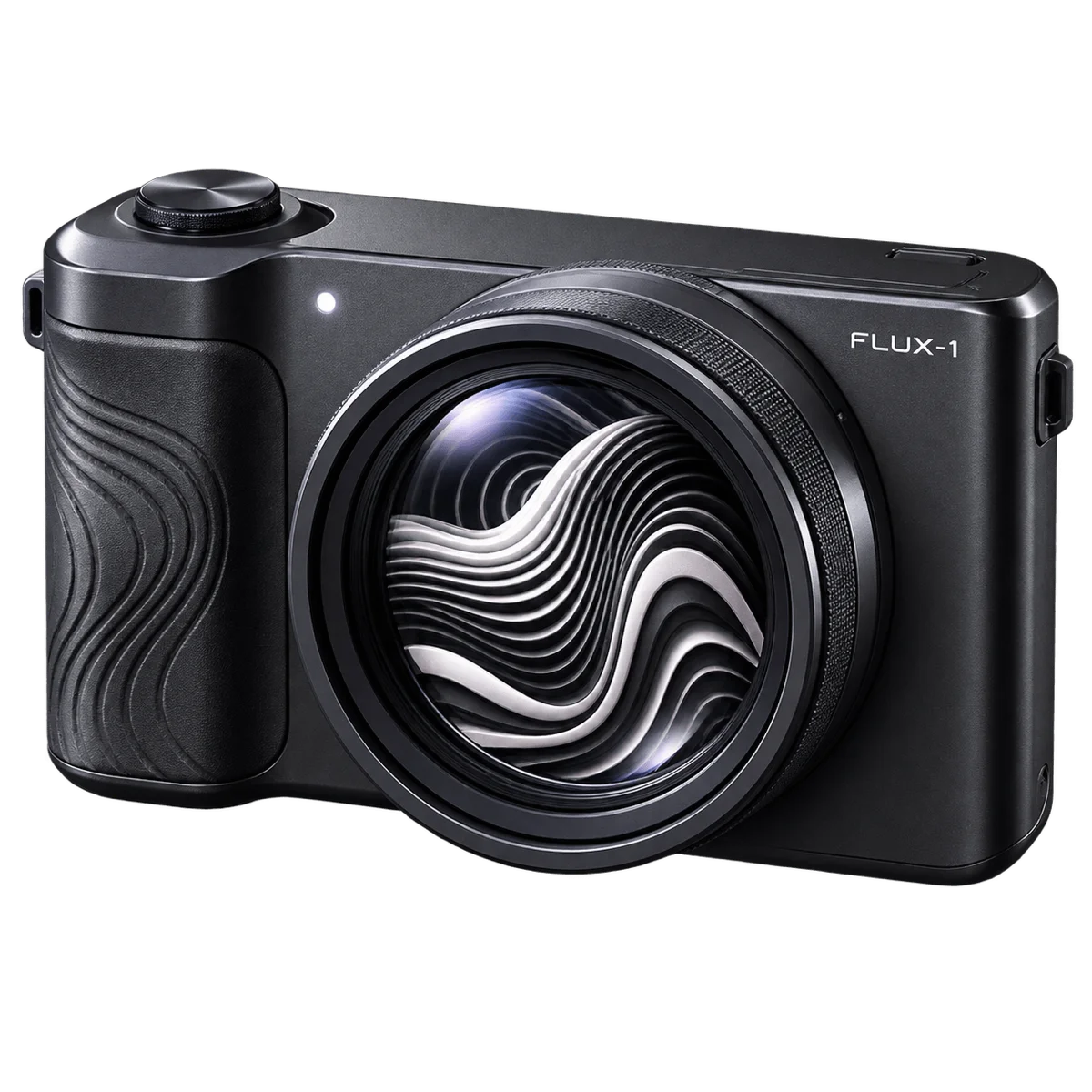
Computational glass. Not nostalgia.
FILM
Modern film cameras. Curves, halation, per-hue colour, real film science. Not a preset, not a saturation slider.
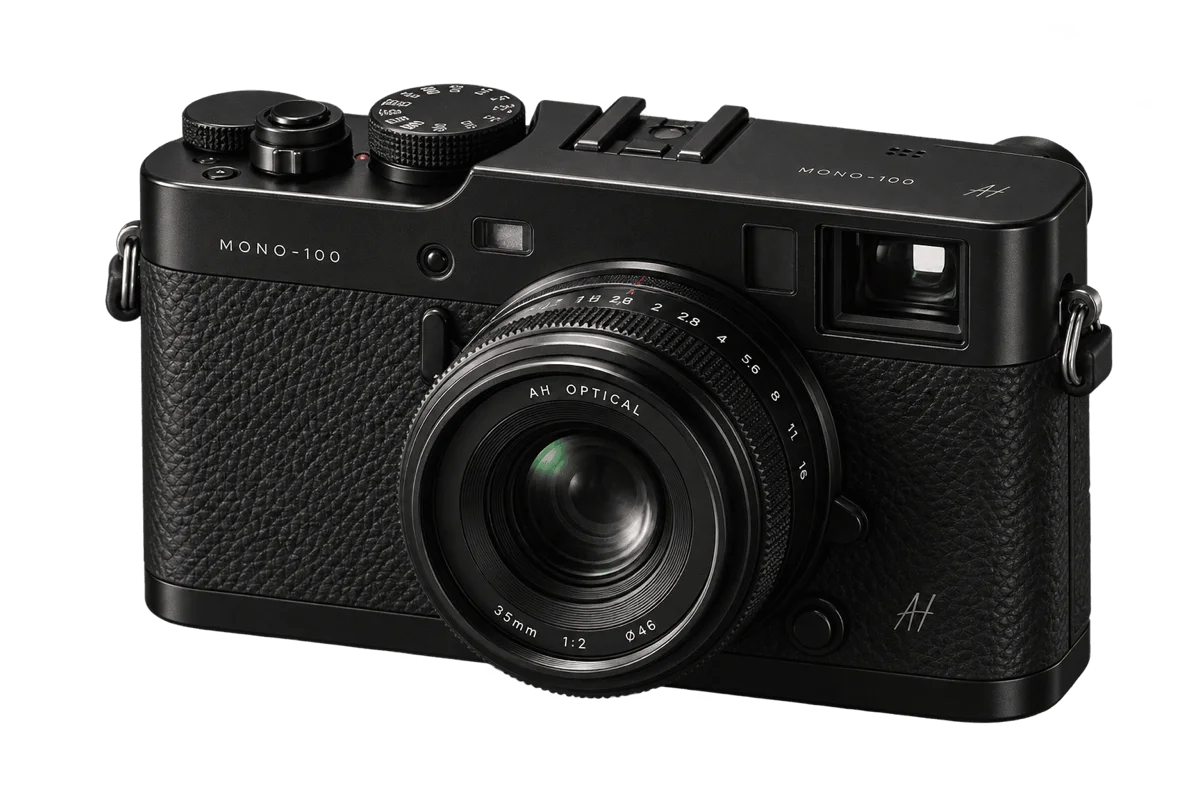
Fine-grain black-and-white.
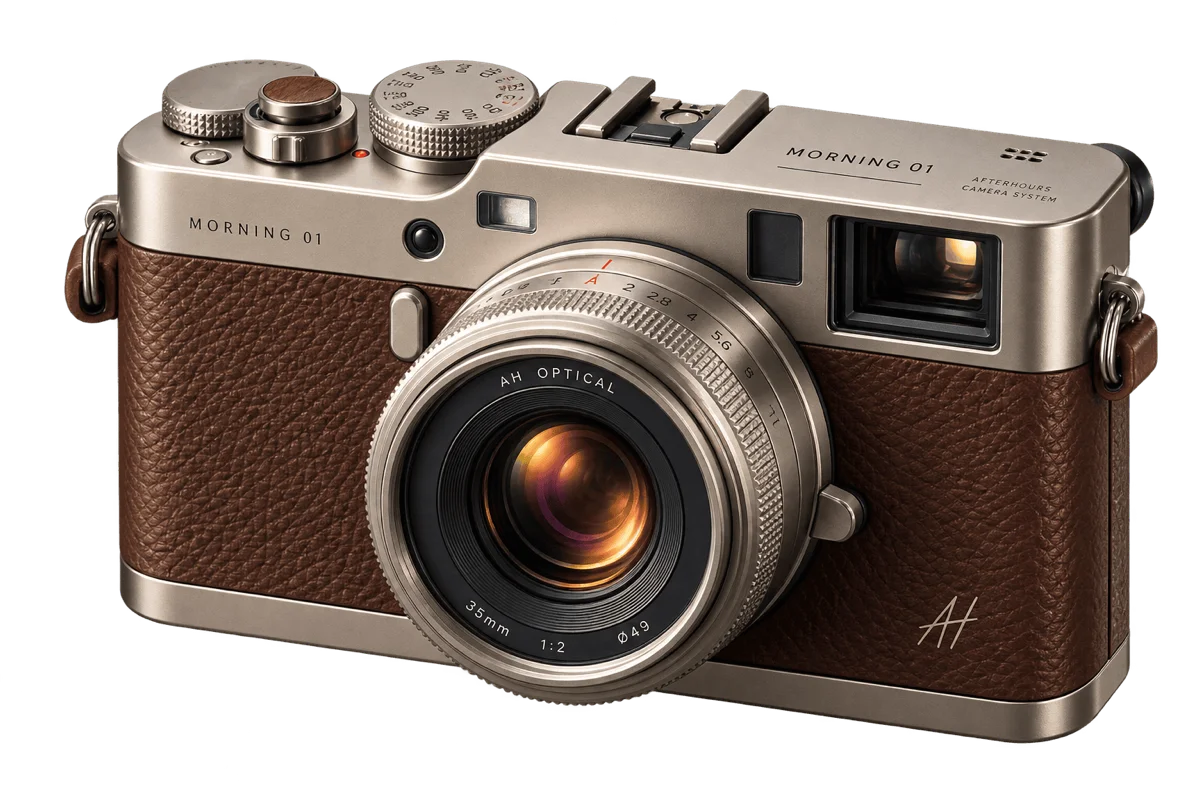
Soft golden portraits.
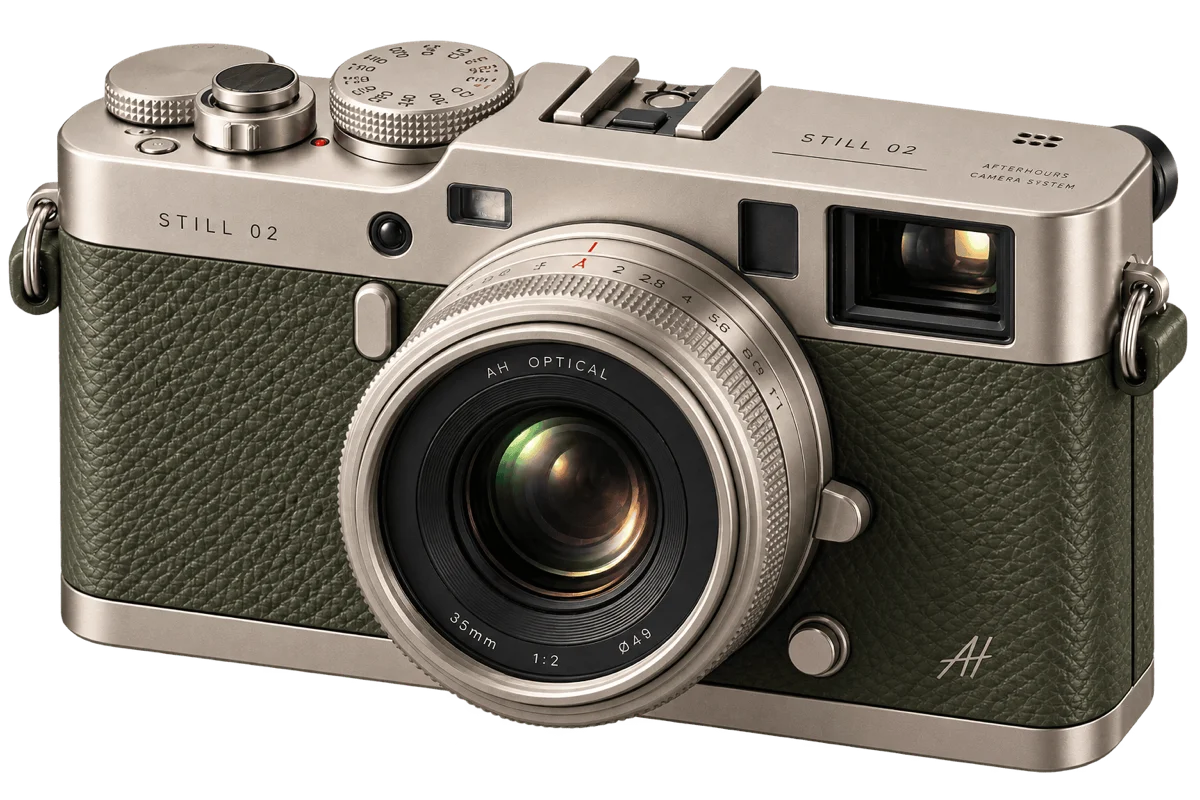
Natural colour negative, on purpose.
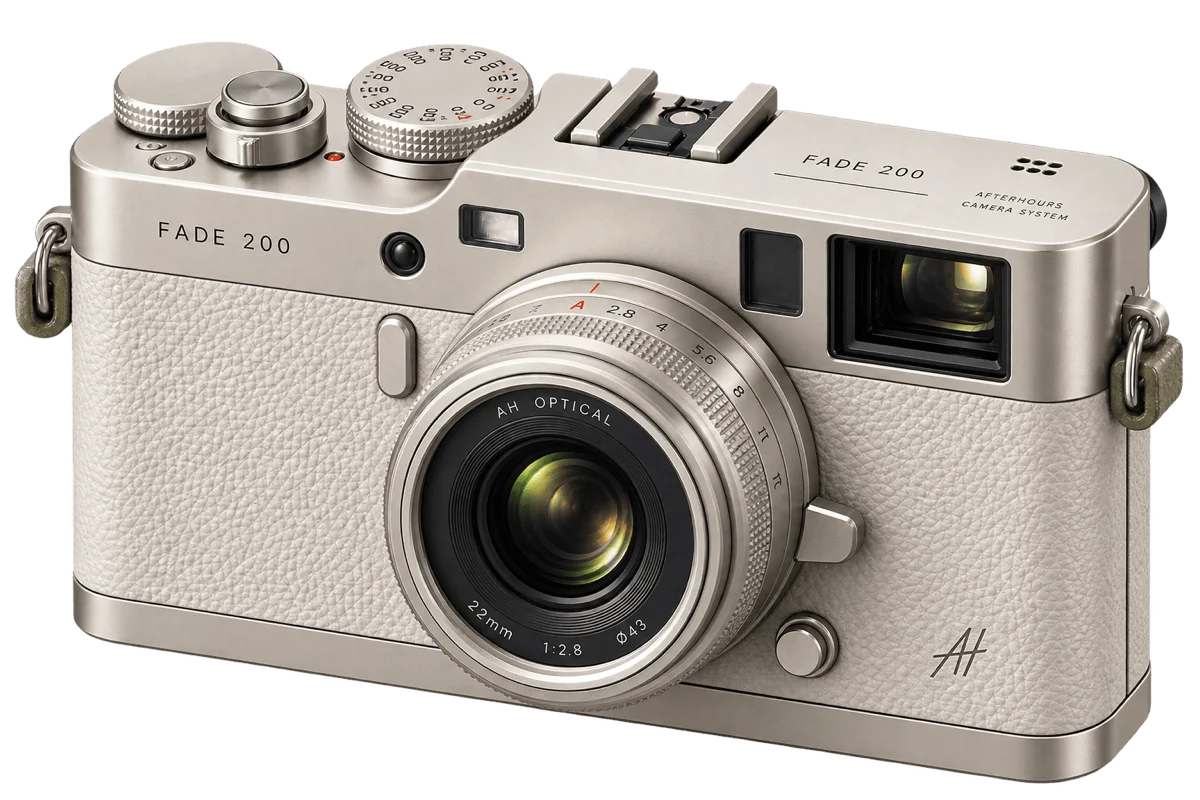
Muted colour, per-hue.
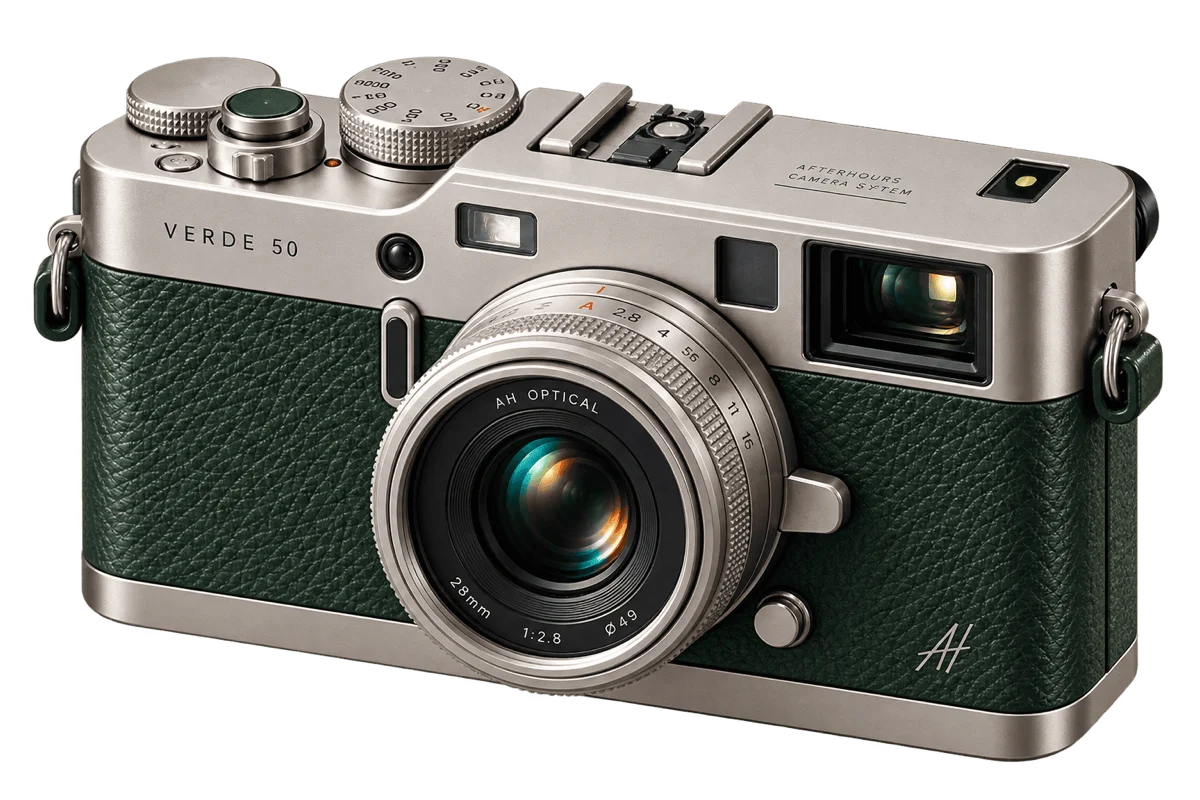
Vivid, saturated, punchy.
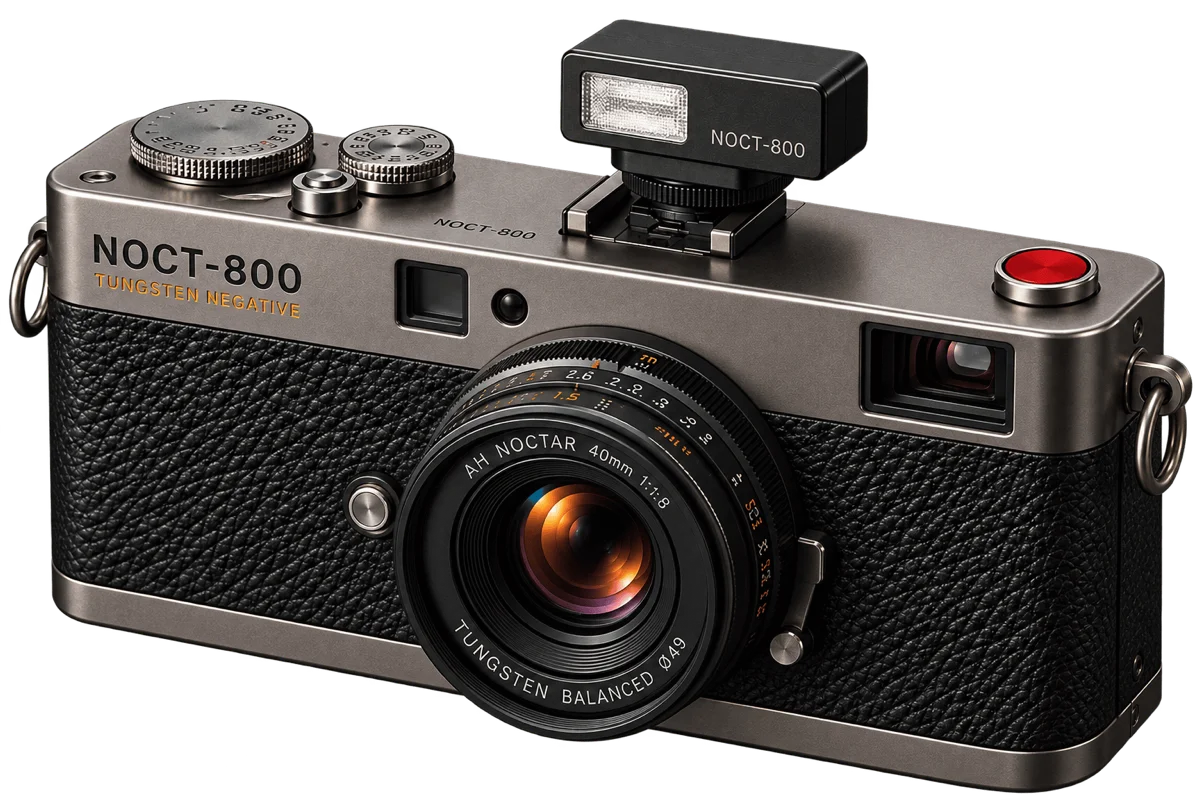
A night camera that refuses to normalise night.
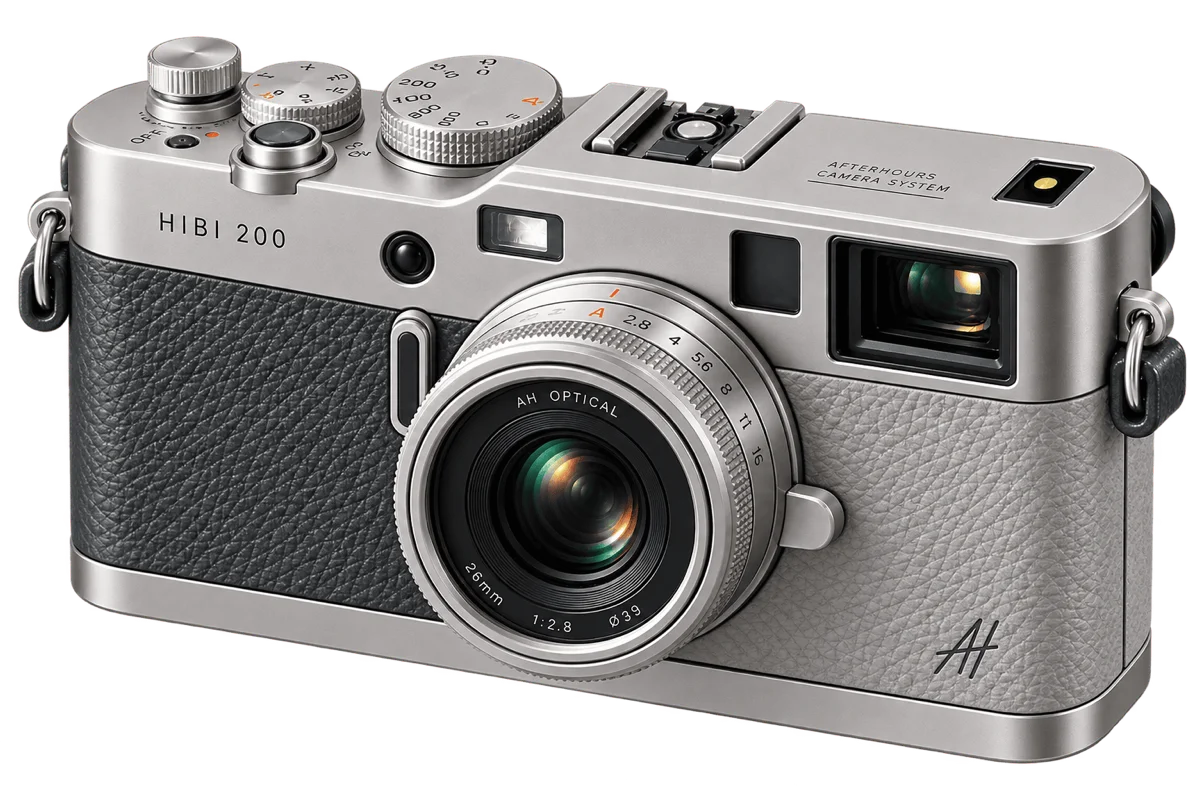
Japanese compact daylight.
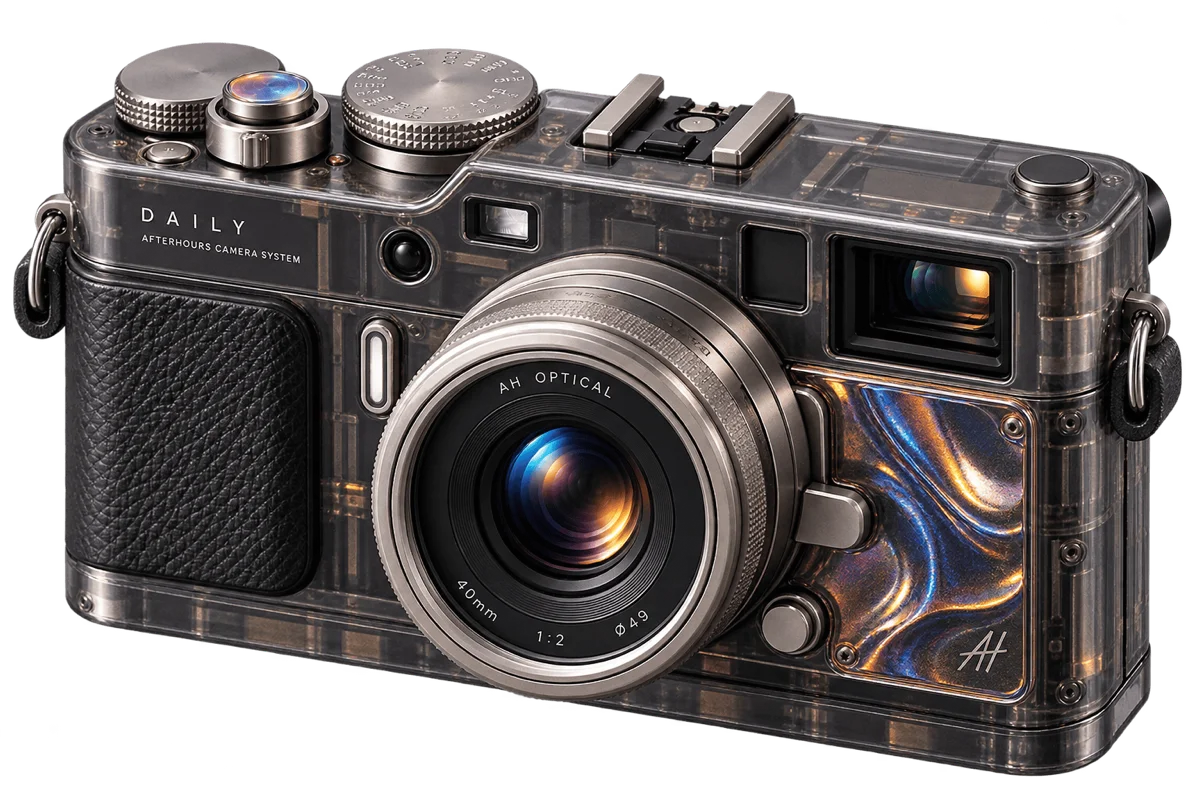
Today's preset. Tomorrow's is different.